Buying in Juhu from Abroad: A Calm Guide for NRI Buyers
Distance need not mean uncertainty. A considered guide to buying a home on Mumbai's western coast, from Bandra to Andheri West, while living overseas.

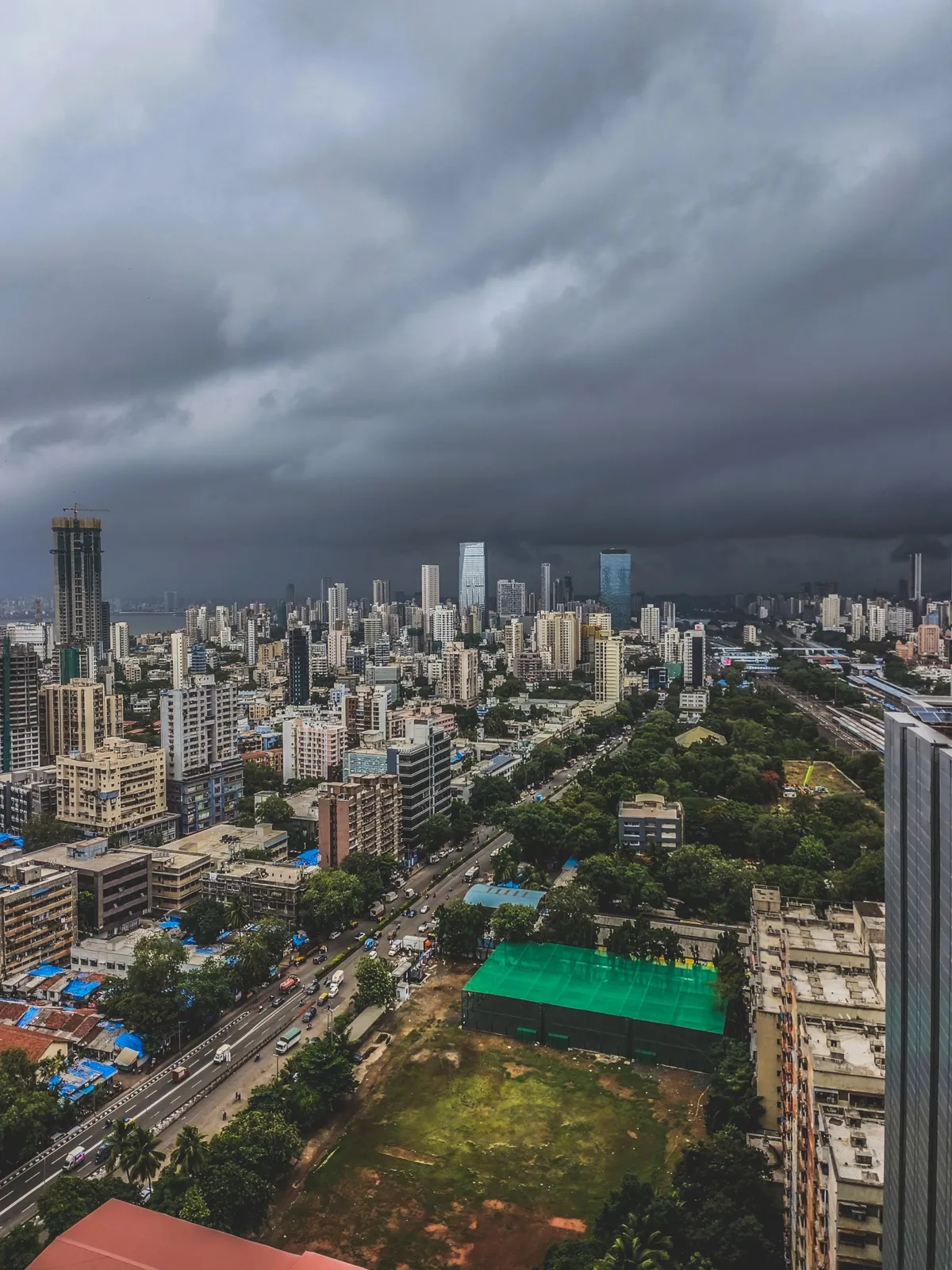
For many Indians living abroad, a home in Mumbai is about more than property. It is a place to return to, a base for ageing parents, a connection for children growing up elsewhere, or simply a long-held wish to own a piece of the city where life began. Along the western coast, from Bandra West and Khar through Santacruz West, Vile Parle West, JVPD and Juhu, to Versova and Lokhandwala in Andheri West, that wish is often very specific: the sea, the trees, the neighbourhood.
Buying from thousands of kilometres away can feel daunting. It need not be. With the right preparation and the right people around you, the process can be calm, transparent and well paced. What follows is general information to help you plan. It is not legal, tax or financial advice, and rules can change, so please verify every point with qualified professionals before you act.
EligibilityWhat you can buy
Under India's foreign exchange framework, the Reserve Bank of India's Master Direction on the acquisition of immovable property states that a Non-Resident Indian (NRI) or an Overseas Citizen of India (OCI) cardholder can purchase residential and commercial property in India. Agricultural land, plantation property and farmhouses are the notable exceptions. For a flat or a bungalow in a city neighbourhood, this generally means no special permission is needed, but your bank and your advisers should confirm the position for your own circumstances.
FundsHow the purchase is paid for
Payments for property bought by an NRI or OCI need to move through normal Indian banking channels: either money remitted from abroad, or funds held in your NRE, FCNR(B) or NRO accounts. Cash and foreign currency notes are not permitted routes. The source of funds can also affect how sale proceeds may be sent abroad in future, so it is worth discussing your plans with your bank and a chartered accountant at the very start.
The best purchases from abroad are rarely the fastest. They are the best prepared.
Due diligenceVerifying the home and the paperwork
Whether the residence is newly built or decades old, a careful legal review is essential. An independent property lawyer will typically examine:
- Title. A clear chain of ownership, and that there are no encumbrances, loans or disputes against the property.
- Society records. For apartments, the share certificate, society no-objection where applicable, and any pending dues.
- Approvals. That the building has the relevant municipal approvals, and, for completed buildings, an occupation certificate.
- Area. That the area quoted is clearly defined. For applicable RERA projects, check the stated RERA carpet area against the agreement and registered disclosures; do not compare it directly with a super built-up figure.
New projectsCheck the MahaRERA registration
If you are considering an under-construction home, or a new project that is still being marketed, check whether registration with the Maharashtra Real Estate Regulatory Authority is required. Exemptions exist, so ask your lawyer to verify applicability rather than assume that every new building must be registered. You can search the project yourself on the official MahaRERA portal at maharera.maharashtra.gov.in, where registered projects display their registration details, approvals and progress updates. It is equally sensible to confirm that any real estate agent you work with on such a project is registered with MahaRERA.

From afarPower of attorney and site visits
Many overseas buyers prefer to see a home in person before committing, and a visit, even a short one, is always worthwhile. For the steps that follow, such as signing and registration, buyers who cannot be present often appoint a trusted person in India through a power of attorney. The document usually needs to be executed and attested in a specific way when signed abroad, so ask your lawyer to draft it and to guide you on the formalities with the Indian mission in your country of residence.
Video walkthroughs, recorded at different times of day, are a useful companion to a visit. Ask to see the view at sunset, the approach from the road, the lobby and the parking. Small details tell you a great deal about how a building is cared for.
Costs and taxPlan for the full picture
Beyond the agreed price, budget for stamp duty and registration charges, which are payable under Maharashtra law and can be checked with the state's Department of Registration and Stamps, as well as legal fees, society transfer charges and, for new homes, applicable taxes. Tax obligations also arise when an NRI later sells or rents out property in India. A chartered accountant familiar with both countries will help you understand them in advance.
A calm pathSteps we suggest
- Speak with your bank and a chartered accountant about funding and tax.
- Shortlist neighbourhoods and homes with an adviser who knows the western suburbs well.
- Visit, or arrange detailed video walkthroughs.
- Appoint an independent lawyer for title and document checks.
- For new projects, verify the registration on the MahaRERA portal.
- Finalise the power of attorney, if needed, before signing.
A home on Mumbai's western coast can be one of the most rewarding decisions you make. If you are planning a purchase from abroad, we would be glad to arrange private viewings, in person or by video, across the neighbourhoods from Bandra to Andheri West, with Juhu at heart.